




ABIB BIO-TECHNOLOGY CO., LTD.
Love Tips
REMIND

What could be the possible reasons why a dog suddenly becomes unable to walk, loses its balance, and has weakness in its hind legs?
Most dogs are lively and active, running and jumping freely. However, sometimes owners may find that their dogs seem to have some trouble walking or are unsteady on their feet, as if their hind legs are weak. What could be the problem?
Generally, weakness in a dog's hind legs can be caused by several factors, including bone spurs, herniated discs, joint degeneration, hip problems, fractures, and dislocations. If you notice weakness in your dog's hind legs, please take it to a veterinarian for examination as soon as possible; do not delay treatment. Here are some common causes of hind leg weakness:
Bone spurs and intervertebral disc problems are the most common causes of hind leg weakness in dogs. The main cause is related to improper pressure on the dog's spine, including incorrect lifting techniques by the owner (lifting the dog by its forelegs without supporting its full weight), which puts excessive pressure on the spine and can easily lead to spinal injury over time; or the dog frequently going up and down stairs or jumping. Early symptoms may include pain and inability to walk. In severe cases, it can lead to hind limb paralysis or even incontinence. If similar symptoms occur, immediate emergency veterinary care is crucial to prevent further deterioration. Among purebred dogs, dachshunds, with their longer spines, are most prone to this condition.
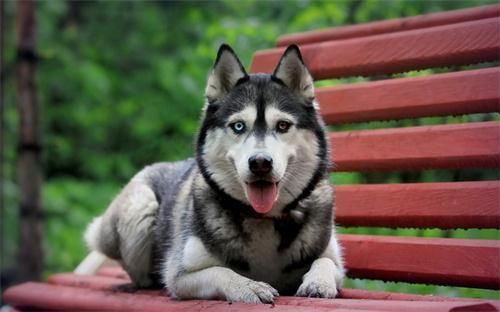
Hind leg weakness can also be caused by hip joint problems, which commonly occur in large breeds such as Huskies and Golden Retrievers. Symptoms include difficulty moving, limping, dislocation pain, hind leg weakness, and muscle atrophy. It is mainly related to genetics, but can also be caused by excessive weight in large dogs, putting pressure on the hip joint, excessive exercise, excessive calcium in the diet, or improper feeding timing.
In addition, as dogs get older, they are also prone to degenerative arthritis or muscle weakness. In these three situations, it is necessary to avoid jumping up and down, maintain an appropriate weight, and avoid excessive exercise. Avoiding excessive exercise does not mean no exercise at all. It is still necessary to take the dog for light exercise to facilitate subsequent rehabilitation (such as walking). Under the guidance of a veterinarian, you can also give some supplements such as glucosamine and chondroitin.
Besides the three reasons mentioned above, a dog's leg could also be due to a fracture or dislocation. This usually happens when dogs jump up or down, or fall, especially dogs that like to climb stairs or jump on sofas, as they are more prone to hind leg injuries and weakness due to strenuous exercise. Typically, when this happens, you'll clearly see the dog suddenly let out a yelp while performing a certain action, and then its hind leg becomes weak and unable to move. This indicates an injury, and you should take it to a veterinarian immediately. Older dogs are also more prone to hind leg weakness.
This also serves as a reminder to all dog owners that your pet's health is our responsibility. It's best to establish a concept of dog insurance early on and purchase insurance for your dog.
Source: https://www.loveupets.com/report_detail_pc.php?id=97