




ABIB BIO-TECHNOLOGY CO., LTD.
Love Tips
REMIND
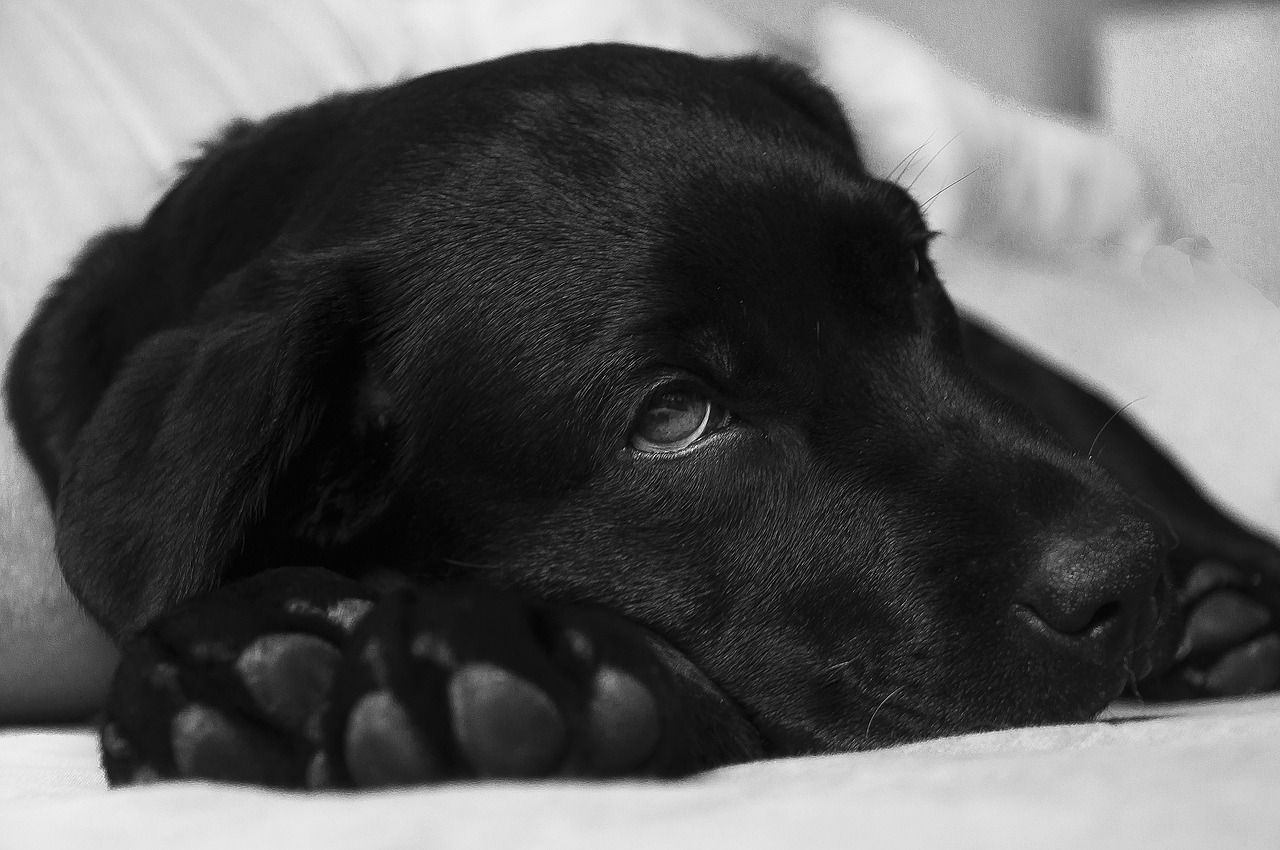
Be careful if your dog is vomiting and has diarrhea – these are signs of gastroenteritis!
Editor's Note: If a dog gets an upset stomach, it may develop gastroenteritis. But besides an upset stomach, are there any other causes? A netizen named Jerry caused his dog to vomit and have diarrhea after abruptly changing its food. The veterinarian also reminded that there are many reasons that can cause gastroenteritis, such as eating random things on the street or swallowing foreign objects, which can lead to vomiting and diarrhea.
The night before last, Dudu vomited and had diarrhea in the middle of the night. I was so sound asleep that I didn't notice until I woke up in the morning and saw that he was covered in vomit and poop! I was so annoyed that I was sleeping so soundly and didn't notice. I quickly got a wet towel and wiped Dudu's body (he is a short-haired mixed-breed dog, about one year old) and rushed him to the vet.
After examining Dudu, the doctor said he probably had gastroenteritis and that he shouldn't eat anything for the time being. He said that after an injection, he should be fine. But the doctor also told me that I was glad I brought Dudu to the hospital so quickly, because some owners might think to observe him first, but they don't expect that after a few days, the situation wouldn't change and could even become more serious, potentially leading to dehydration.
The veterinarian also said that you can observe the dog's vomit. Most of the time, the vomit may be undigested food residue, sometimes accompanied by some yellow-green bile. The stool may also be coffee-colored or yellow-green watery. If it is more serious, it may contain a little blood or be completely unformed. If these symptoms are present, it is recommended to seek medical attention as soon as possible.
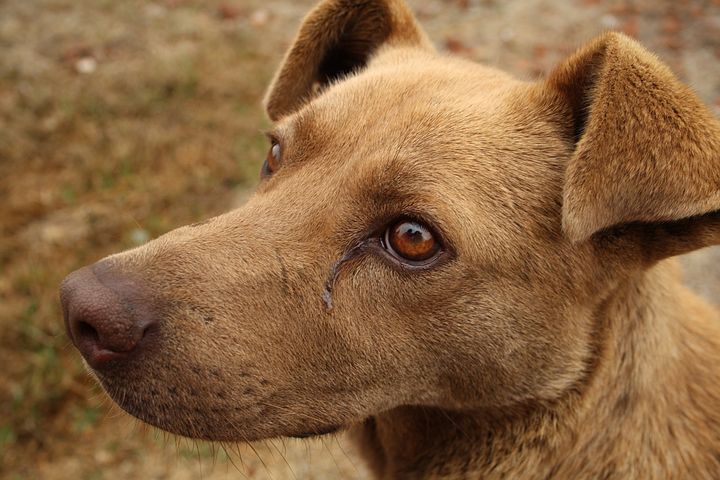
The vet also asked me if I had recently changed Dudu's food, or if I had suddenly given him something he had never eaten before, or if Dudu had eaten something from the roadside while he was out for a walk, or if he had eaten something hard to digest at home, such as small buttons or toys. These could all be reasons why the dog was vomiting and having diarrhea.
I thought about it and realized that at the pet expo I went to, some manufacturers gave out sample packets, which I gave to Dudu yesterday. It's possible that because of the change in food, or because the sample packet had been sitting for a while and gone bad, Dudu experienced stomach upset after eating it. Hearing the vet say that made me feel a little guilty.
The vet told me that if I were to change the dog's food or its diet (such as fresh food), I shouldn't change everything at once. I suggested mixing the new food with the old food and feeding it to the dog. This would test whether the dog liked the food and also help me determine if its digestive system could adapt to the new food.
The vet said that if it's just a simple change in feed, it should be fine; just observe. However, if it's because he ate something he shouldn't have outside, then we need to be extra careful, as he might have brought back bacteria or viruses from outside, which can also cause gastroenteritis. Of course, eating something he shouldn't have outside also greatly increases the risk of contracting intestinal parasites like roundworms and tapeworms. Hearing this, I thought that next time I take Dudu out, I really need to make sure he hasn't eaten anything he shouldn't.
Doctors also remind patients that simple gastroenteritis is relatively easy to treat, but if it's caused by a specific food allergy, or by hepatitis, nephritis, or other conditions, it can also cause vomiting and diarrhea, so extra caution is needed.
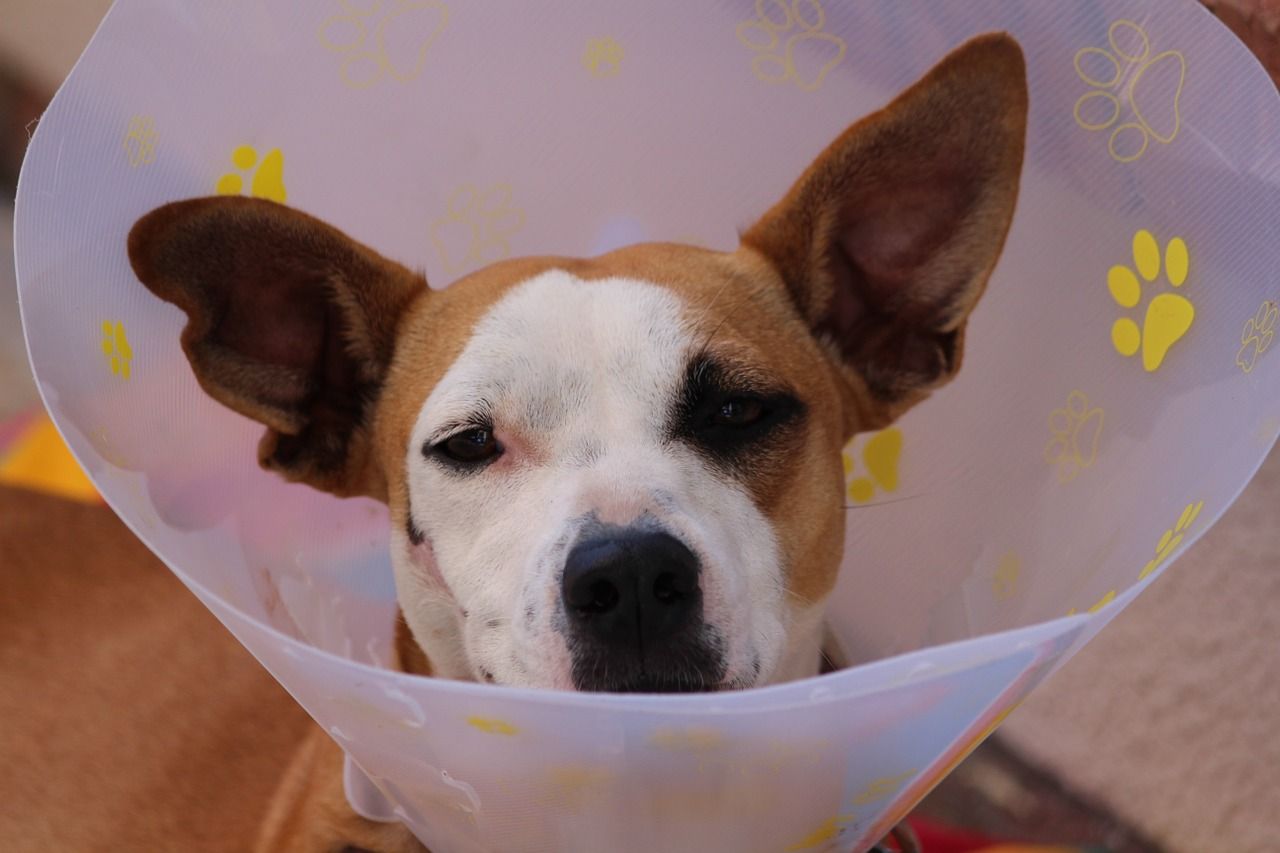
After treatment, Dudu's vomiting and diarrhea symptoms finally subsided. However, she still seemed listless and lethargic. It was all my fault; the sudden change of food upset Dudu's stomach. I'll definitely be more careful next time!
Source: https://www.loveupets.com/report_detail_pc.php?id=303